The Expert Buyer’s Guide to Corporate Merchandise: Strategic Sourcing for Brand Growth
Company merchandise can be a great way to promote your brand and build a sense of community among your employees and customers.
byJason
26 Jan, 2026
The Expert Buyer’s Guide to Corporate Merchandise: Strategic Sourcing for Brand Growth
Company merchandise can be a great way to promote your brand and build a sense of community among your employees and customers.
The Power of Tangible Branding
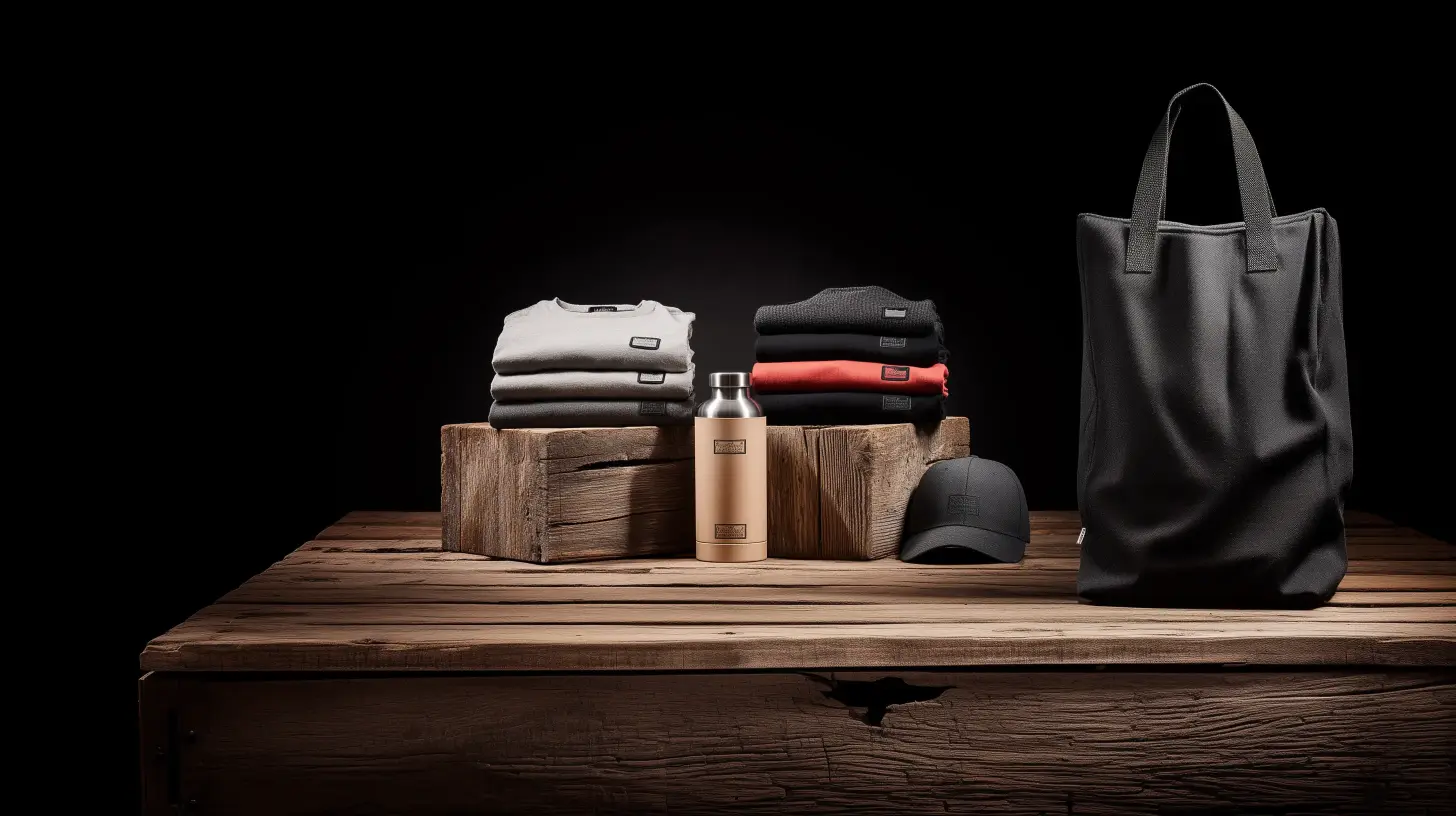
Company merchandise is far more than a simple giveaway; it is a strategic vehicle to promote your brand and build a deep sense of community among both your employees and customers. Items such as custom t-shirts, hats, and branded accessories serve as physical touchpoints that reinforce identity and loyalty. However, achieving high-impact results requires more than just placing a logo on a product. There are several key considerations to keep in mind when sourcing and ordering company merchandise to ensure you achieve the best possible return on your investment. This guide outlines the professional best practices for navigating the procurement process with precision.
Define Your Strategic Objectives Before you begin the shopping process, you must have a clear understanding of what you want to achieve with your merchandise. Without a goal, your spending lacks direction. ● Brand Exposure: Are you looking to increase visibility at high-traffic trade shows and public events? ● Internal Culture: Do you want to foster team spirit and a sense of belonging among your employees? ● Customer Loyalty: Is this a reward for long-term clients to increase retention? ● Order Optimization: Knowing your specific goals will help you choose the right type of merchandise and accurately decide how much to order to avoid waste.
Selecting a Reputable Manufacturing Partner The success of your merchandise program is heavily dependent on the partner you choose. With numerous companies offering branded goods, thorough research is mandatory to find a supplier that aligns with your standards. ● Product Depth: Look for a supplier that offers a wide range of product options, from basic promotional items to premium custom-manufactured apparel. ● Commercial Viability: Seek competitive pricing that reflects the value and scale of your project. ● Proven Track Record: Evaluate their history of customer satisfaction and their ability to handle complex, large-scale orders consistently.
Budgeting for Value, Not Just Cost Company merchandise is a significant brand investment, making it essential to establish a clear budget before engaging with a supplier. ● The Bulk Advantage: Look for ways to save money through scale, such as by ordering in bulk to reduce the per-unit cost.
● The Quality Trap: Be careful not to sacrifice quality for the sake of a lower upfront cost. ● Long-Term ROI: Cheap merchandise often lacks durability and fails to look professional over time, which can ultimately be more costly and damaging to your brand reputation in the long run.
Design: The Reflection of Your Identity The design of your company merchandise is perhaps the most critical consideration, as it serves as a direct reflection of your brand’s values and professional standards. ● Visual Appeal: Choose a design that is aesthetically pleasing and likely to be worn in public settings. ● Legibility: Ensure the artwork and text are easy to read from a distance. ● Brand Consistency: The design must be strictly consistent with your brand’s style guide and overall visual language. ● Professional Execution: If you do not have in-house design capabilities, consider hiring a professional to create your artwork to ensure a high-end finish.
The “Proof of Concept” Phase: Testing and Iteration In the world of custom manufacturing, execution often differs from the initial concept. Sometimes an idea sounds better in theory than it appears in reality. ● Internal Polls: Before a full rollout, run polls within your team to gauge the desirability of certain styles or designs. ● Small-Batch Rounds: Consider running a smaller, less ambitious round of production to test the quality and fit before committing to a full bulk order. ● Expectation Management: Break down your ambitions into manageable steps to ensure the final execution meets your team’s expectations.
The Path to a United Brand Culture By following these best practices, you move beyond “buying shirts” and begin “building community”. Strategic buying ensures that every dollar spent contributes to a more visible, cohesive, and professional brand image. Expert Insight: “A buyer’s guide is really a risk-management tool. In my experience, the brands that win are those that treat their merchandise like a retail product. They define the goal, vet the supplier, and never compromise on the quality of the design. That is how you create merchandise that people actually keep.”